Researchers have developed an artificial intelligence system that uses smartphone videos and cloud computing to detect nystagmus—a telltale sign of balance and neurological disorders—offering a low-cost, accessible alternative to traditional diagnostic methods.
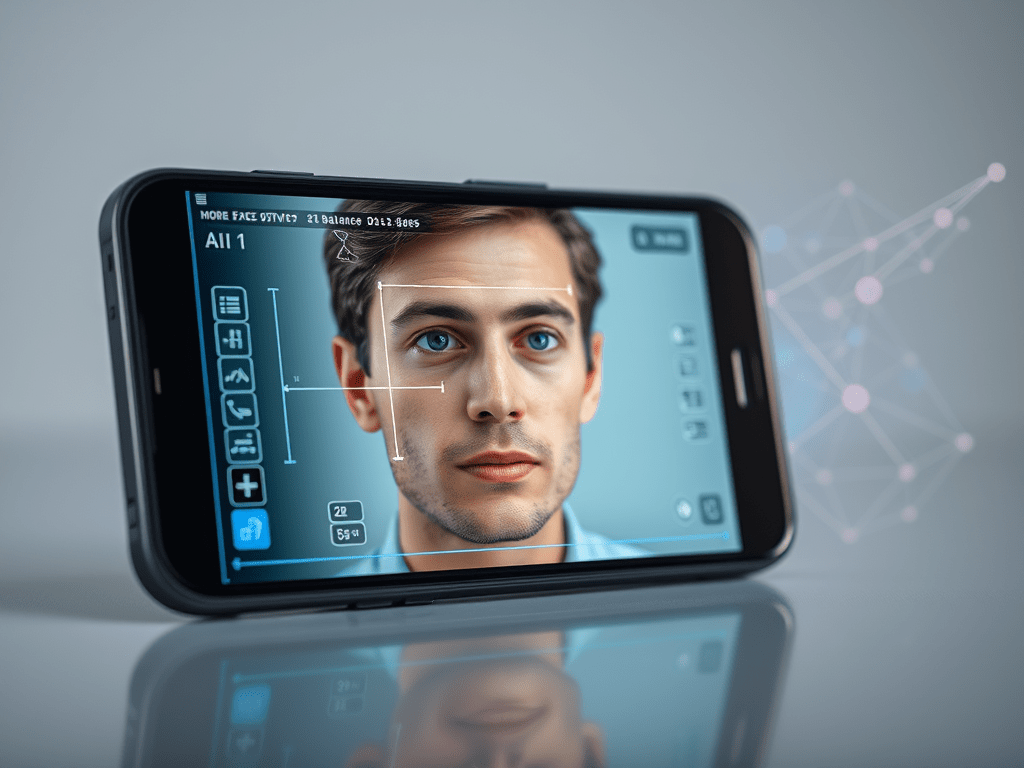
The deep learning tool, created by a team at Florida Atlantic University (FAU) and collaborators, maps 468 facial landmarks in real time to analyze involuntary eye movements, a hallmark of conditions like vertigo, inner ear dysfunction, and neurological diseases. Unlike conventional approaches such as videonystagmography (VNG), which requires bulky, expensive equipment, this system allows patients to record and upload videos from home for remote analysis.
Pilot results, published in Cureus, showed strong agreement with gold-standard diagnostics, suggesting the tool could expand access to care in underserved areas.
“Our AI model offers a promising tool that can supplement—or in some cases replace—conventional methods, particularly in telehealth,” said Dr. Ali Danesh, the study’s senior author and an FAU professor.
The system, trained on over 15,000 video frames, filters out artifacts like blinks and generates clinician-ready reports. Researchers are also testing a wearable headset for real-time detection.
With further validation, the technology could streamline screenings, reduce costs, and improve early diagnosis for patients worldwide.






Leave a Reply