
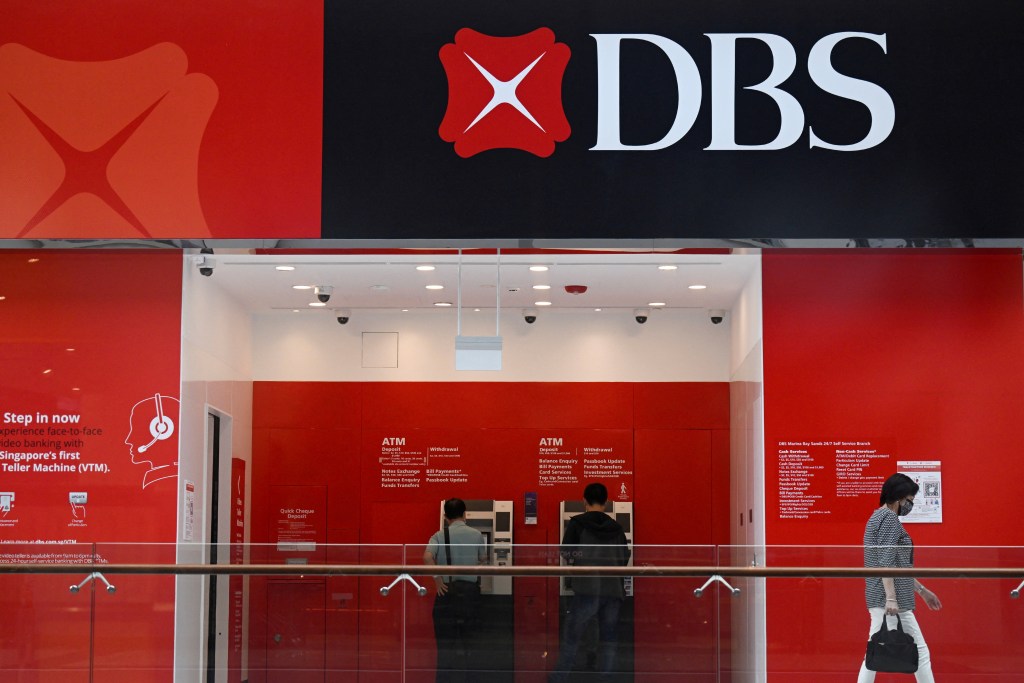
DBS Bank, Singapore’s largest bank, has revealed plans to cut approximately 4,000 temporary and contract roles over the next three years as artificial intelligence (AI) increasingly automates tasks traditionally performed by humans. The move marks one of the first major banks to publicly detail how AI will reshape its workforce.
In a statement, a DBS spokesperson clarified that the reduction will occur through “natural attrition” as temporary and contract staff complete their projects. Permanent employees will not be affected by the cuts. The bank also announced plans to create around 1,000 new AI-related roles, signaling a shift toward more technology-driven operations.
DBS currently employs between 8,000 and 9,000 temporary and contract workers, part of its total workforce of approximately 41,000 employees. The job cuts will span the bank’s 19 markets, though the company did not specify how many positions would be affected in Singapore.
AI’s Growing Role in Banking
Outgoing CEO Piyush Gupta, who is set to step down at the end of March, highlighted DBS’s long-standing investment in AI. “We today deploy over 800 AI models across 350 use cases and expect the measured economic impact of these to exceed S1billion(1billion(745 million) in 2025,” he said.
Gupta emphasized that the bank has been integrating AI into its operations for over a decade, using the technology to enhance efficiency and customer service. The latest workforce adjustments reflect the bank’s confidence in AI’s ability to handle tasks previously managed by temporary and contract staff.
Global Implications of AI in the Workforce
DBS’s announcement comes amid growing global discussions about the impact of AI on employment. In 2024, the International Monetary Fund (IMF) warned that AI could affect nearly 40% of jobs worldwide, with the potential to exacerbate inequality. IMF Managing Director Kristalina Georgieva cautioned that “in most scenarios, AI will likely worsen overall inequality.”
However, not all experts share this pessimistic outlook. Andrew Bailey, Governor of the Bank of England, told the BBC last year that AI is unlikely to be a “mass destroyer of jobs.” Instead, he believes workers will adapt and learn to collaborate with new technologies. “While there are risks with AI, there is great potential with it,” Bailey said.
Leadership Transition at DBS
As DBS navigates this technological transformation, the bank is also undergoing a leadership change. Piyush Gupta will be succeeded by current deputy CEO Tan Su Shan, who will take the helm at the end of March. The transition comes at a pivotal time as the bank continues to integrate AI into its operations while managing the broader implications for its workforce.
Looking Ahead
DBS’s workforce reduction underscores the growing influence of AI in the banking sector and raises important questions about the future of work in an increasingly automated world. While the bank’s move highlights the efficiency gains AI can deliver, it also serves as a reminder of the need for businesses and policymakers to address the challenges of workforce displacement and reskilling.
As AI continues to reshape industries, DBS’s strategy may serve as a blueprint for other financial institutions grappling with similar technological advancements. For now, the bank remains focused on balancing innovation with the well-being of its employees, ensuring a smooth transition into the AI-driven future.






Leave a Reply