
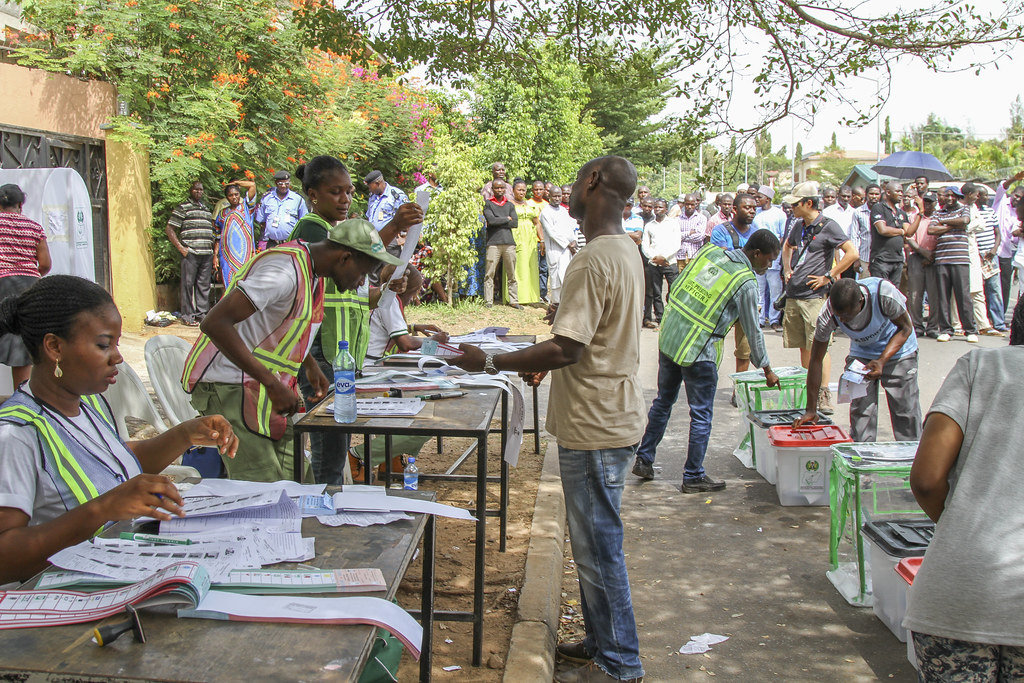
A new study has revealed that artificial intelligence (AI) is increasingly being used to spread disinformation, particularly during elections, with the potential to undermine democratic processes and divide societies. The research, conducted by Karen Allen of South Africa’s Institute for Security Studies and Christopher Nehring of Germany’s cyberintelligence institute, in collaboration with the Konrad Adenauer Foundation, highlights the alarming rise of AI-generated disinformation campaigns in Africa and Europe.
The study found that AI tools are being exploited by a variety of actors, including extremist political groups, state-backed entities, and cybercriminals, to manipulate public opinion. In Africa, where internet access is often limited, the spread of deepfakes—realistic but fabricated videos or audio—remains relatively low compared to Europe. However, cheaper and easier-to-produce “cheap fakes” are still widely used to influence political narratives.
One striking example occurred during South Africa’s 2024 parliamentary election, where a deepfake video of former U.S. President Donald Trump endorsing a local party went viral. Similarly, in Burkina Faso, AI-generated avatars were used to promote support for a military coup in 2022. These tactics, often linked to foreign actors like Russia and China, aim to destabilize regions and amplify propaganda.
Hendrik Sittig, director of the Konrad Adenauer Foundation’s media program in sub-Saharan Africa, warned that the ease of producing disinformation using AI poses a significant threat. “What might happen in five or 10 years is really scary,” he said.
Despite these challenges, the study notes that Africa is making strides in combating disinformation, with the rise of fact-checking organizations and platforms like South Africa’s Real411, which allows users to report suspicious online content. However, as social media giants like Facebook and X (formerly Twitter) scale back fact-checking efforts, the responsibility for verifying information increasingly falls on users.
Allen emphasized the importance of access to “clear, verifiable, and truthful information” for citizens to make informed political decisions. She also called for greater collaboration between African and European nations to share best practices and develop robust regulatory frameworks to counter AI-driven disinformation.
As the threat of AI disinformation grows, the study underscores the urgent need for global cooperation to safeguard democratic institutions and public trust in the digital age.



 AI News Monitor
Leave a comment