
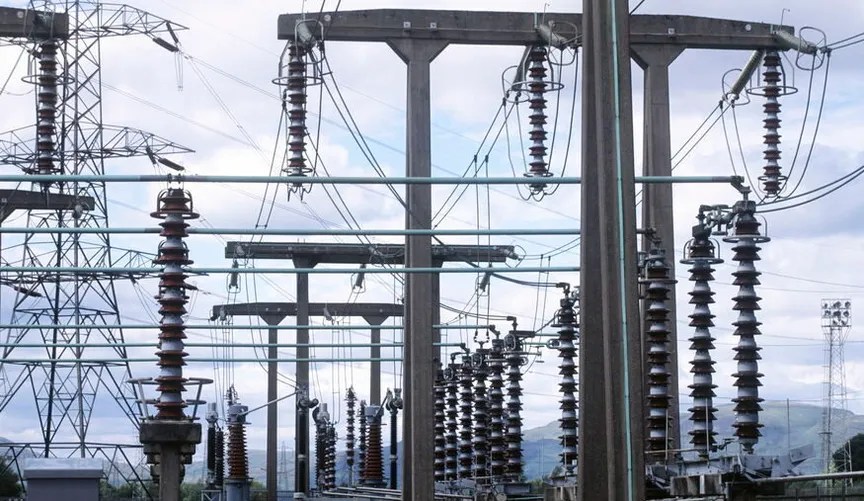

The rapid expansion of artificial intelligence has led to an unprecedented surge in the demand for electricity, with data centers emerging as a major energy consumer. These centers, which power cloud computing and AI-driven services, consumed over 4% of the U.S. electricity supply in 2023—a figure that could more than double by 2030.
“In the past, computing was not a significant user of electricity,” says William H. Green, director of MITEI and the Hoyt C. Hottel Professor in the MIT Department of Chemical Engineering. “Electricity was used for running industrial processes and powering household devices such as air conditioners and lights, and more recently for powering heat pumps and charging electric cars. But now all of a sudden, electricity used for computing in general, and by data centers in particular, is becoming a gigantic new demand that no one anticipated.”
The increasing energy needs of data centers have sparked concerns over grid capacity, energy costs, and environmental impact. Some companies are exploring unconventional solutions, such as building small nuclear reactors near their facilities or reviving dormant nuclear plants. Microsoft has secured a deal to purchase power from a restarted reactor at Three Mile Island, while Google is investing in modular nuclear reactors and next-generation geothermal projects.
At the same time, researchers at MIT’s Energy Initiative are investigating ways to enhance energy efficiency, including better cooling systems, optimized computing algorithms, and the use of carbon-aware computing to shift tasks to regions with cleaner energy sources. However, challenges remain, including transmission grid limitations and the growing reliance on fossil fuels to meet demand.
As AI continues to reshape industries, finding sustainable solutions for its energy consumption will be crucial in balancing technological advancement with environmental responsibility.






Leave a Reply