

L’Oréal’s deal with IBM promises a future of using AI to determine raw materials for cosmetics products.
World’s largest cosmetics company, L’Oréal, has agreed to a deal with IBM. The deal is to leverage generative AI technology to build more innovative and sustainable products.
The two companies will pool their resources and use the power of generative AI to improve cosmetics research. This research will allow them to improve the formulation of cosmetics products. L’Oréal and IBM expect this partnership to help reduce waste and energy use and develop cosmetics using sustainable raw materials.
L’Oréal’s Global Director for Innovation and Products Development, Stéphane Ortiz, says the partnership will “extend the speed and scale of our innovation and reformulation.”
It will mark the first time that AI is used to formulate cosmetics, but not at all the first time that it is involved in the cosmetics industry. As of last year, big cosmetics brands including L’Oréal, Sephora, and South Korean company, AmorePacific, were already using AI to analyze customers’ faces to determine the best products for them.
For instance, users could take photos of themselves, analyze their complexion using AI, and then have it matched up with products that best suited their skin tone. They would not have to sort through over 200 different skin foundations or nearly 400 colors of lipstick looking for the right fit. Gen AI is now able to just do that for them.
Since then, IBM has figured out more innovative ways to use AI. Given AI’s ability to turn data into insights much faster than ever before, IBM discovered that if it was taken beyond text to chemistry, geospatial data, and time series analysis, it could do other things. It could minimize waste and promote recycling by better identifying materials that can be reused.
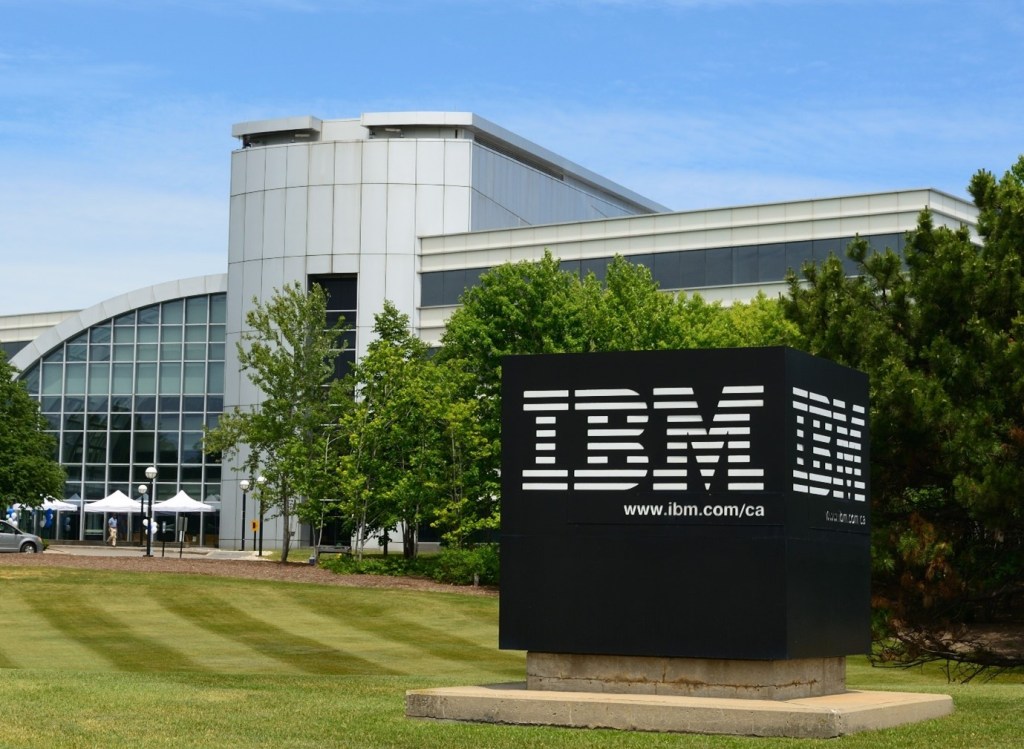
IBM believes that its partnership with L’Oréal can leverage generative AI to transform the sustainability of cosmetic product development by 2030.
This technology will now be extended to using AI to research sustainable materials for cosmetics production.
The cosmetics industry relies on extensive research and the testing of complex ingredient combinations to continue developing better products. L’Oréal itself employs over 4000 researchers worldwide. Working with IBM, they can now use the capacity of generative AI to research and discover more sustainable ingredients for cosmetics.
Essentially, by 2030, AI will play a central role in deciding what material goes in the cosmetics we apply on our faces.
Readers can rest easy though. Both L’Oréal and IBM experts are certain that generative AI can be used to target more bio-sourced materials without compromising product quality. With the rapid development of AI in the past few years, some more conservative people have been worried about AI getting too much in our faces. It doesn’t seem likely to do that, but given L’Oréal’s new cosmetics deal with IBM, it might not be too long before it decides what goes on them.




 AI News Monitor
Leave a comment