Find out why the two superpower rivals are working together on AI security, and what this means for world peace.
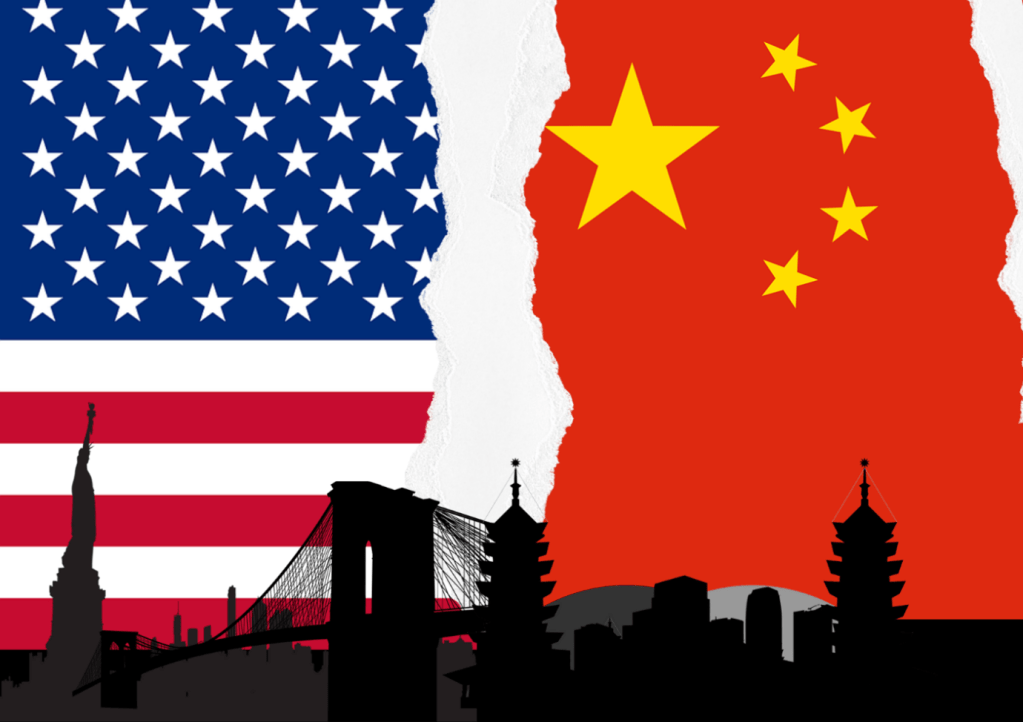
US and Chinese experts have held the first public discussions on the use of AI for national security purposes. The panel discussion, titled “How will Artificial Intelligence Impact Security Relations between the United States and China? US and Chinese Perspectives“, was held virtually on Friday, 10 January.
This dialogue should be recognized as vital in the context of global concerns over the true potential of AI and its threat to human wellbeing. Over the past few years, several reputable personalities have made supercharged statements about the potential and power of artificial intelligence. Google CEO, Sundar Pichai, said that it was more profound for humanity than the development of fire and electricity. Others have likened it to the discovery of penicillin and x-ray. These are all events that dramatically changed the world, and AI has been elevated to that pantheon.
But at the same time, nobody is being deceived about its potential for serious harm. In his opening remark on Friday’s panel discussion, Australian billionaire philanthropist, Andrew Forrest, called AI brilliant but “way more dangerous than nuclear”.
The world’s superpowers would seem to agree on that. In May 2024, the US and China held the first official talks on the national security application of AI, to “reduce the risk of miscalculation and unintended conflict”, as it was described by a US official. Attending that meeting held in Geneva were US national security adviser Jake Sullivan and Chinese foreign minister Wang Yi.
The crux of the meeting was for both sides to exchange views and outline their respective stances on the risks of AI. Although the US officials insisted that the meeting should not be construed as any form of collaboration or technical co-operation between the two countries, it nevertheless represents significant strides.
As noted by analysts, the US has been wary of the pace of China’s development in artificial intelligence. Therefore, they exerted full pressure to suppress it. It does not seem that either country will easily allow the other to become a hegemon in their technology cold war.
This is why it is interesting to see how the two superpower rivals can work together on the matter of AI security. In November 2024, President Biden and President Xi Jinping of the US and China respectively, met in Peru to further discussions on minimizing AI risk to humanity when deployed for national security. Both leaders collectively endorsed the principle that humans, and not AI, should have control of nuclear launch decisions.
The idea of giving cold intelligence control of destructive weapons on a massive scale is rightly chilling to both sides.
But world leaders are not the only ones interested in these discussions. Two think tanks, the Brookings Institution in the US and the Tsinghua University in China, have begun collaborating to facilitate Track II discussions among policy experts from the two superpowers. Providing financial support is Australian billionaire philanthropist, Andrew Forrest, through his Minderoo Foundation.
Last Friday’s panel discussion was the first public dialogue organized by the think tanks. Perhaps this first successful public discussion will encourage more open conversations around the area. It certainly gives much hope that the world can collectively manage the potential dangers of AI misuse.




 AI News Monitor
Leave a reply to AI Assistants Spark Concerns after Chatting in Secret Language “GibberLink” – AI News Monitor Cancel reply