
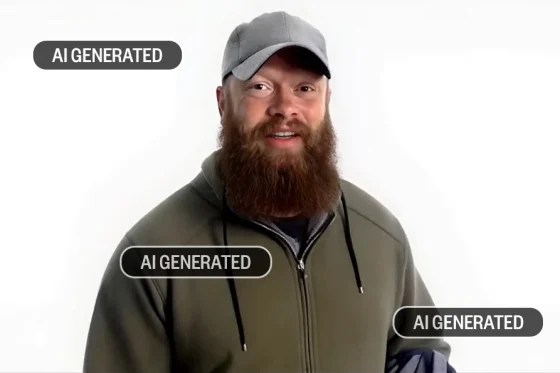
Chandler, Arizona – Three years after Chris Pelkey was killed in a road rage shooting, artificial intelligence allowed him to confront his killer in court—posthumously.
At the sentencing of Gabriel Horcasitas, who was convicted of manslaughter in Pelkey’s 2021 death, an AI-generated video of the 37-year-old Army veteran played in the courtroom. The digital recreation, crafted using Pelkey’s voice recordings, videos, and photos, delivered a victim impact statement urging forgiveness.
“To Gabriel Horcasitas, the man who shot me, it is a shame we encountered each other that day,” the AI Pelkey said. “In another life, we probably could have been friends. I believe in forgiveness, and a God who forgives.”
Pelkey’s sister, Stacey Wales, told the BBC she wrote the statement based on her brother’s forgiving nature. The family worked with AI to ensure his voice was heard—a move Judge Todd Lang praised, calling the message “genuine.” Horcasitas was sentenced to 10.5 years in prison.
While legal experts like retired federal judge Paul Grimm see AI’s courtroom use as inevitable, others warn of ethical risks. “Are we always going to get fidelity to what the victim would’ve wanted?” asked Carnegie Mellon’s Derek Leben.
For Pelkey’s family, the technology offered closure. “This was a Frankenstein of love,” Wales said. “We used it to build healing, not destruction.”
The case marks a pioneering—and controversial—step in AI’s role in justice. As courts grapple with its implications, Pelkey’s digital resurrection may be just the beginning.






Leave a Reply