
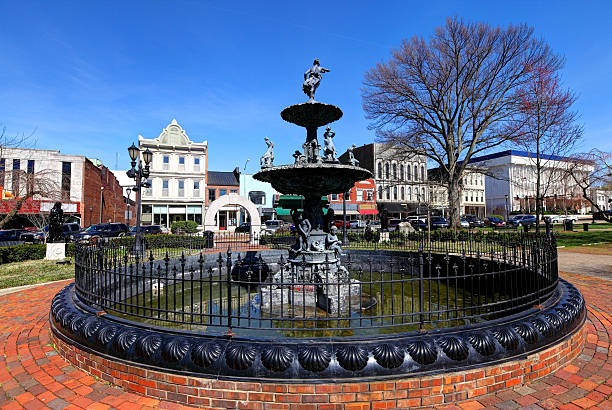
In a bold experiment blending artificial intelligence and civic engagement, the city of Bowling Green has wrapped up a month-long initiative using machine learning to shape its future. With a population of 75,000 and rapid growth on the horizon, city leaders turned to an AI-powered platform to gather public input on what the next 25 years should look like.
The project, led by County Judge/Executive Doug Gorman and consultant Sam Ford, used the Pol.is platform—a tool that uses machine learning to group and analyze public opinion. Residents could anonymously submit brief ideas and vote on others, with the system learning in real time where consensus emerged. Over 7,800 people participated, with 2,000 submitting original ideas.
Google’s Jigsaw lab provided additional AI analysis to identify patterns of agreement and disagreement. The top consensus issues focused on practical, hyperlocal concerns: better access to health care, more businesses on the underserved north side, and preservation of historic buildings. More divisive topics included marijuana legalization and changes to nondiscrimination clauses.
While some experts caution that self-selection limits representativeness, others see potential in this new model. “This is a more demanding kind of participation than voting, and 2,000 people contributed ideas,” said Harvard’s Archon Fung.
As Bowling Green awaits next steps from county leadership, the results are publicly available—a first step toward turning short-form ideas into actionable policy.
Have you seen any other towns try something like this?






Leave a Reply