
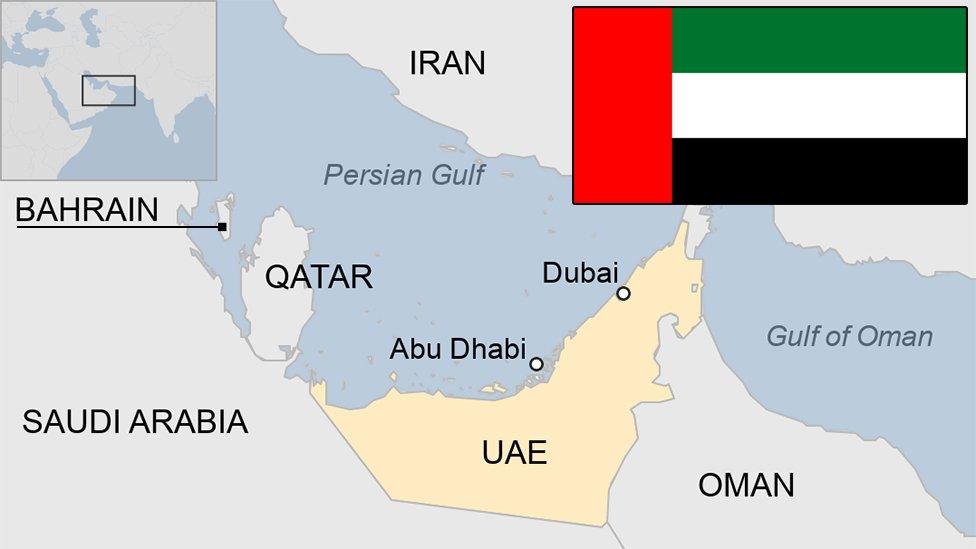
Azra Ismail, an assistant professor of biomedical informatics at Emory School of Medicine, is leveraging artificial intelligence (AI) to address disparities in maternal and child health care for marginalized communities. Born in Delhi and raised in Abu Dhabi, Ismail’s frequent visits to Bihar, one of India’s poorest states, shaped her understanding of stark inequalities. “I grew up seeing intense disparities … seeing the haves and have nots,” she recalls.
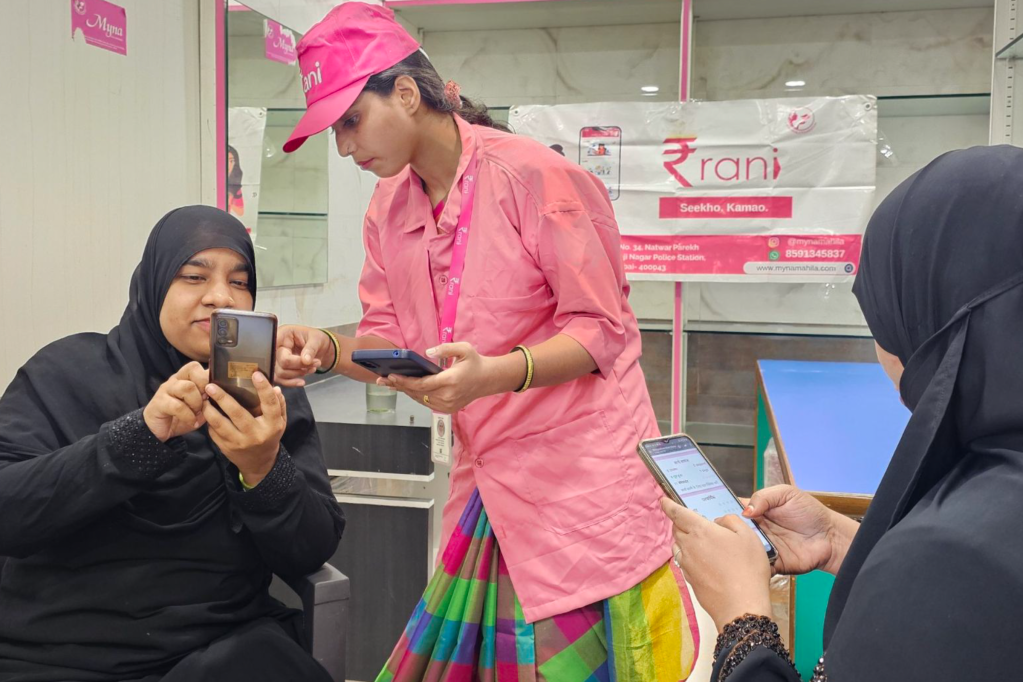
Ismail’s work focuses on adapting advanced digital technologies to meet the needs of underserved populations. Collaborating with the Myna Mahila Foundation and its founder, Dr. Suhani Jalota, she developed an AI-powered chatbot to provide sexual and reproductive health information to women in India. The chatbot addresses critical topics like family planning, pregnancy care, and reproductive anatomy, but tailoring it for a culturally and linguistically diverse audience has been a significant challenge.
“It comes down to issues with language and ensuring these technologies are culturally appropriate,” Ismail explains. “If you’re able to access reliable, accurate, and timely health information from your home, that can have a profound impact on your health. But getting to that point is a demanding task.”
The project began with extensive fieldwork to understand the specific needs of the target audience. Ismail and her team refined questions based on feedback from community health workers and focus groups, piloting the chatbot with 3,000 women. The next phase involves refining the language and scaling up trials.
The chatbot supports “Hinglish,” a blend of Hindi and English, to accommodate users who speak Hindi but type questions in English. “To build something people will actually use, it’s important to offer responses in a familiar language format,” Ismail notes.
Her research, recently accepted at the prestigious CHI conference on human-computer interaction, highlights the importance of culturally contextualized AI models. Ismail’s multicultural background has been instrumental in recognizing the challenges of adapting technologies from developed countries for global use.
“I’m cautiously optimistic that we’ll see more equitable outcomes as countries build their own language models,” she says. “Efforts like Indian researchers developing large language models to support underrepresented languages are a step in the right direction. There’s a long road ahead, but we’re starting to see progress.”
Ismail’s work underscores the potential of AI to transform health care access, provided it is designed with cultural sensitivity and local relevance in mind.





Leave a Reply