
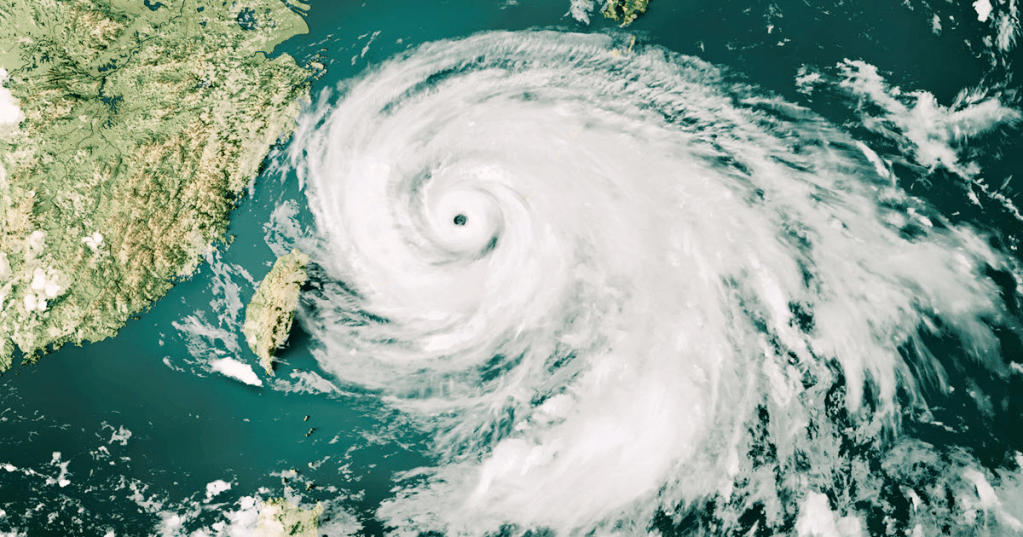
Weather forecasting is becoming faster, cheaper, and more precise thanks to breakthroughs in artificial intelligence. A new AI model named Aurora, developed by researchers and detailed in a Nature study published May 21, has surpassed traditional weather prediction systems in accuracy and speed—delivering high-resolution forecasts in seconds.
Aurora can predict tropical cyclone paths, air pollution levels, ocean wave patterns, and hyperlocal weather with unprecedented precision. Its ability to outperform conventional models has impressed experts, including Peter Dueben, head of Earth system modeling at the European Centre for Medium-Range Weather Forecasts. “I think they have been the first to push that limit,” he said.
A Critical Tool in a Changing Climate
As climate change fuels more extreme weather, accurate forecasting is vital. “In a changing climate, the stakes for accurate Earth systems prediction could not be higher,” said study coauthor Paris Perdikaris, an engineer at the University of Pennsylvania. The need is especially urgent as budget cuts at the U.S. National Weather Service have strained its ability to issue timely warnings.
Unlike traditional forecasting—which relies on solving complex physics equations—Aurora uses machine learning to analyze vast datasets of past weather patterns. Trained on over a million hours of atmospheric data, it can predict storms days in advance with 20-25% greater accuracy than current systems.
A Game-Changer for Disaster Preparedness
In a test, Aurora correctly predicted Typhoon Doksuri’s path four days ahead, while official forecasts failed just days before the storm hit the Philippines in 2023, leading to deadly floods and landslides. “Having even a day’s advance notice is enough to save a lot of lives,” said Megan Stanley, a Microsoft Research scientist and study coauthor.
Faster, Cheaper, More Accessible
Traditional supercomputer-based forecasting takes hours, but Aurora can run on a desktop computer and was developed in just eight weeks—compared to the decades needed for physics-based models. Microsoft’s MSN Weather already integrates Aurora’s data, and its foundation model structure allows it to be fine-tuned for other tasks, such as predicting floods, wildfires, and sea ice changes.
With extreme weather on the rise, AI-driven systems like Aurora could soon become indispensable tools for protecting lives and economies worldwide.






Leave a Reply