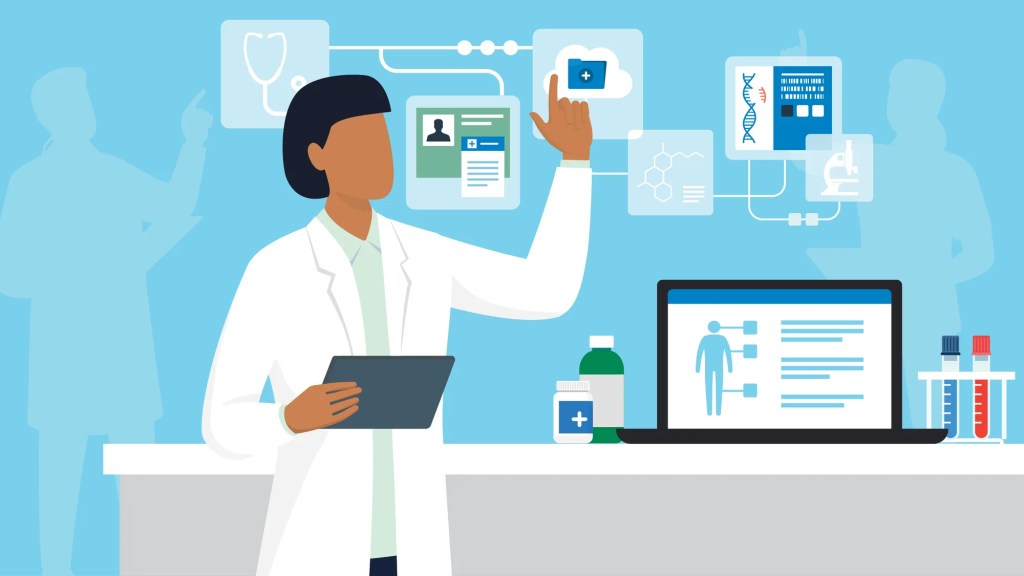
With 4.5 billion people lacking access to essential healthcare and a global shortage of 11 million health workers by 2030, artificial intelligence (AI) is emerging as a critical tool to bridge gaps and improve care. Despite slower adoption compared to other industries, AI is already transforming healthcare in six key ways:
- Stroke Diagnosis – AI software developed by UK researchers is twice as accurate as professionals in analyzing brain scans, helping identify stroke timelines critical for treatment.
- Fracture Detection – AI reduces missed fractures by up to 10% in X-rays, easing pressure on overloaded radiologists and minimizing unnecessary follow-ups.
- Ambulance Triage – A UK study found AI accurately predicts hospital transfers 80% of the time by analyzing patient vitals, improving efficiency without bias.
- Early Disease Detection – AI models can predict over 1,000 diseases, including Alzheimer’s and epilepsy, years before symptoms appear, enhancing early intervention.
- Clinical Decision Support – AI-powered chatbots like ChatRWD provide evidence-based answers to 58% of medical queries, outperforming standard models.
- Administrative Efficiency – Tools like Microsoft’s Dragon Copilot automate clinical notes, cutting administrative burdens and allowing more patient-focused care.
Despite its potential, experts warn of risks like AI hallucinations and biases, emphasizing the need for robust regulation. As AI healthcare investments surge—projected to reach $17 billion by 2034—its role in achieving universal health coverage by 2030 grows increasingly vital.






Leave a Reply