
RIYADH, Saudi Arabia — In a bid to transform its economy from an oil giant into a digital powerhouse, Saudi Arabia is championing a novel and legally untested concept: the “data embassy.” The initiative represents the Kingdom’s latest attempt to capitalize on the global rush for sovereign artificial intelligence and data security.
The model, whereby a nation’s data is stored on foreign soil but governed exclusively by its own laws—akin to a diplomatic mission—is exceedingly rare. Only two exist, both established by European microstates in Luxembourg. Saudi Arabia, however, envisions a scaled-up future where it becomes a global host for such facilities, leveraging its vast investments in solar energy and strategic location.
“This is about exporting data capacity instead of oil,” said a Saudi official involved in the planning, who spoke on condition of anonymity. The Kingdom’s draft “Global AI Hub Law,” released in April, proposes a detailed three-tier framework for data embassies, positioning it to be the first G20 nation to formalize such rules.
The ambitious plan faces significant hurdles. Legal experts point to a thicket of jurisdictional challenges, while environmental concerns question its feasibility in one of the world’s most water-scarce regions. The concept also emerges as globalization wanes and geopolitical tensions heighten focus on where data resides and who controls it.
“The nation state remains too powerful and globalization is waning,” said Viktor Mayer-Schönberger, a professor of internet governance at the University of Oxford. He noted that establishing a data embassy requires a complex bilateral treaty built on deep trust. “It would take very long to negotiate; moreover, given the distrust between nations, it is hard to imagine that one would trust another to keep the data off limits.”
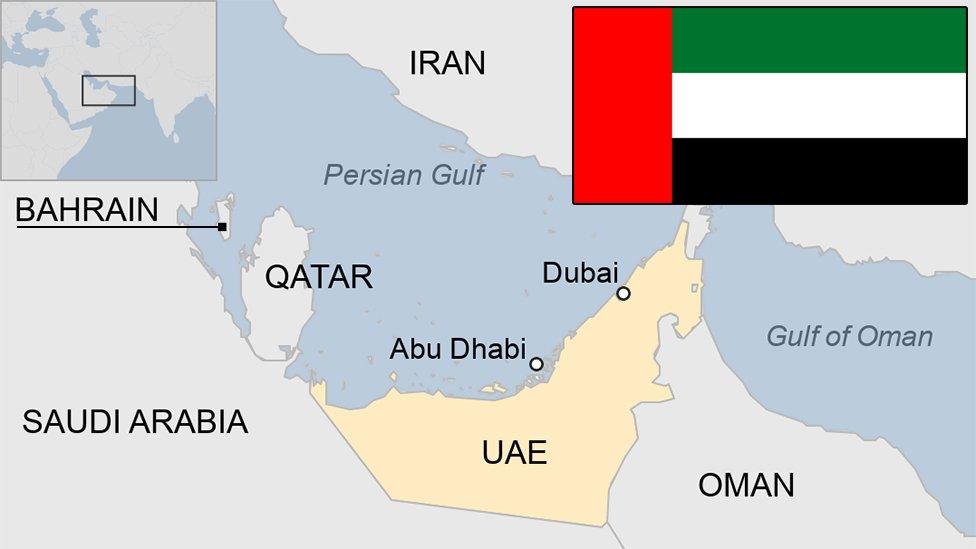
Saudi Arabia’s proposition hinges on offering cheaper land, power and capital than European or American markets, while providing a geographic bridge between continents. The country is locked in a fierce regional competition with the United Arab Emirates and Qatar to become the Middle East’s premier AI hub, attracting Western tech firms and investors with its sovereign wealth funds.
Yet, the environmental trade-offs are stark. While betting heavily on solar, Saudi Arabia’s grid remains heavily dependent on oil, and data centers are notoriously thirsty. “The rise of data centres introduces new ESG considerations,” said Hortense Bioy of Morningstar Sustainalytics. “Carbon emissions and water intensity are among the most pressing concerns.”
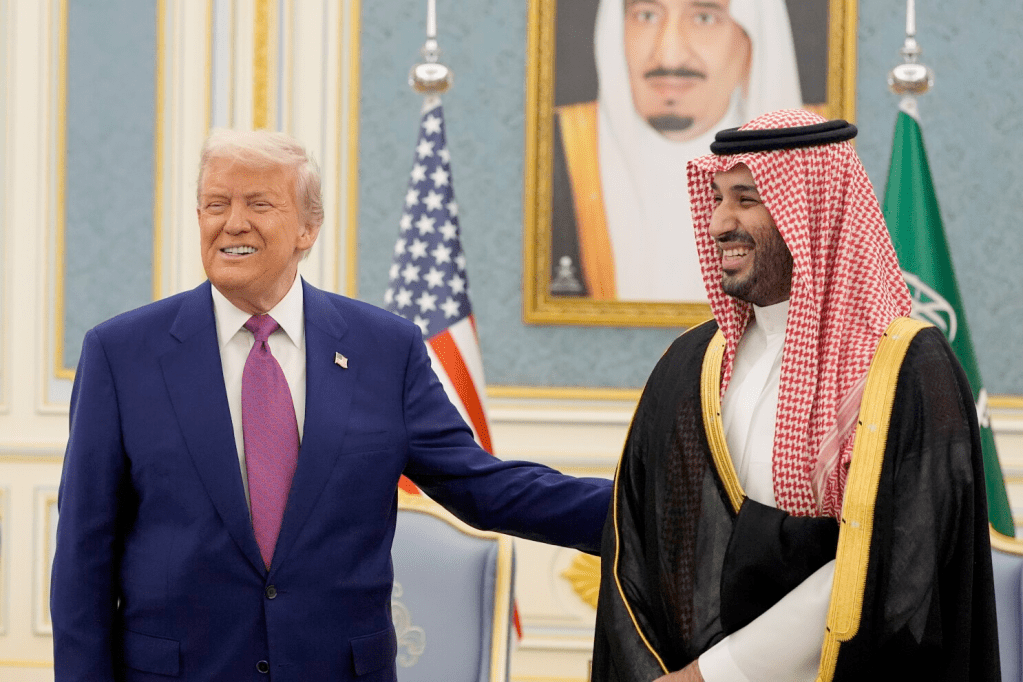
The move is also a geopolitical signal. Saudi Arabia has recently cemented a “Strategic Artificial Intelligence Partnership” with the United States. While there is no indication the U.S. is an immediate candidate for a data embassy, the alignment suggests the Kingdom is seeking to navigate the U.S.-China tech rivalry.
For now, the data embassy remains a speculative architecture in the global AI race. Whether it becomes a mainstream tool for data sovereignty or a legal mirage in the desert will depend on whether Saudi Arabia can solve the profound puzzles of law, trust and sustainability that it presents.



 AI News Monitor
Leave a comment