

Elon Musk attempted to disrupt a major artificial intelligence infrastructure agreement between the U.S. and the United Arab Emirates after learning that his AI startup, xAI, would not be part of the initiative, according to people familiar with the matter.
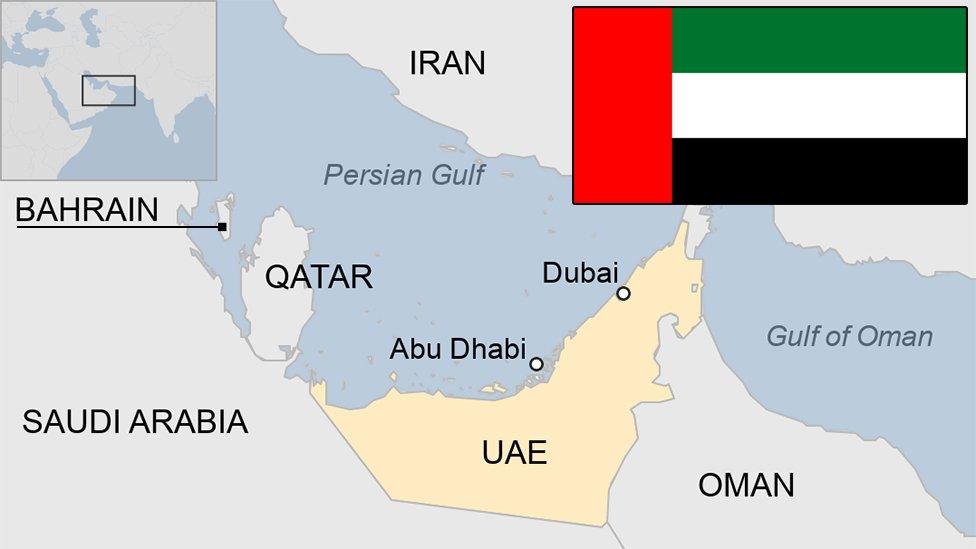
The deal, announced earlier this month, involves OpenAI, Oracle, Nvidia, Cisco, and Emirati firm G42 collaborating on a sprawling AI campus in the UAE, dubbed “Stargate.” Musk, who has a contentious history with OpenAI CEO Sam Altman, intervened in an effort to secure a role for xAI, one source said.
Musk allegedly warned stakeholders, including the White House, that President Donald Trump—who has close ties to the tech billionaire—would not approve the agreement unless xAI was included. The announcement was delayed by several days as officials navigated the fallout from Musk’s objections, the source added.
The Wall Street Journal first reported Musk’s efforts to derail the deal.
A senior White House official confirmed that Musk was not present in the UAE when the agreement was finalized but had joined Trump earlier during his Middle East trip in Saudi Arabia. The official said Musk had expressed concerns about ensuring fair treatment for all AI companies in government-backed projects.
White House press secretary Karoline Leavitt declined to address Musk’s involvement directly but praised the partnership in a statement. “The United States and the UAE signed a groundbreaking framework agreement establishing the first AI acceleration partnership,” she said. “This was another great deal for the American people, thanks to President Trump and his exceptional team.”
Musk’s rivalry with Altman has intensified in recent years. The two co-founded OpenAI in 2015, but Musk left in 2018 and has since criticized the company’s shift toward commercialization and its alliance with Microsoft. This year, Musk sued OpenAI for breach of contract and unsuccessfully attempted to buy control of the company for $97.4 billion.
Meanwhile, xAI has been expanding its own AI ventures, acquiring Musk’s social media platform X (formerly Twitter) and partnering with Telegram to integrate its Grok chatbot.
Critics of the UAE deal, including some lawmakers, have raised concerns about bolstering a potential AI competitor abroad. “What happened to ‘America First’?” asked Rep. Rohanna Hanna (D-Calif.), arguing that such investments should prioritize domestic development.
Neither Musk nor OpenAI responded to requests for comment.
The episode underscores Musk’s complicated role in shaping U.S. AI policy—a sector where his influence, business ambitions, and personal feuds continue to collide.


 AI News Monitor
Leave a comment