
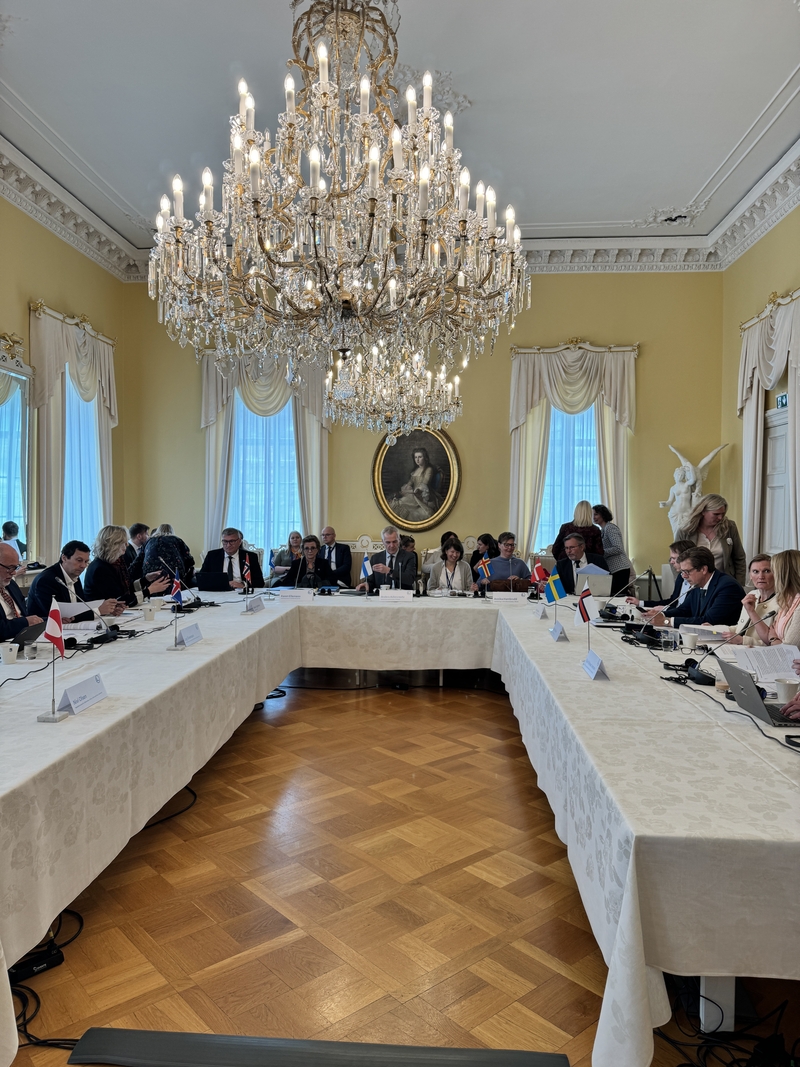
At the annual meeting of Nordic education and research ministers, experts emphasized that while artificial intelligence (AI) is transforming education and research, it is not a cure-all solution. Professor Petri Myllymäki of the University of Helsinki warned against over-reliance on generative AI, stressing the need to build fair, democratic societies that harness AI responsibly while retaining top talent in the Nordic Region.
Ministers agreed that AI presents both opportunities and challenges for education systems, which often struggle with implementation or lack sufficient expertise. Key priorities include closing the AI skills gap, promoting lifelong learning, and fostering interdisciplinary research to ensure ethical AI development.
Finland’s Minister of Science and Culture, Mari-Leena Talvitie, highlighted the importance of shared Nordic ethical principles in guiding AI policy. Meanwhile, Iceland’s Minister of Culture and Education, Logi Einarsson, called for stronger regional cooperation to position the Nordics as global AI leaders rather than passive observers.
A proposed Nordic-Baltic AI Center could strengthen collaboration, helping nations develop strategies and address shared challenges. Ministers also stressed the need for inclusive education, ensuring all citizens—from students to workers—have access to AI knowledge and training.
“The future won’t be shaped by technology alone—our choices matter,” said Einarsson. With strong digital infrastructure and welfare systems, the Nordics are well-positioned to lead in responsible AI—but only through unified action and a commitment to democratic values.




 AI News Monitor
Leave a comment