
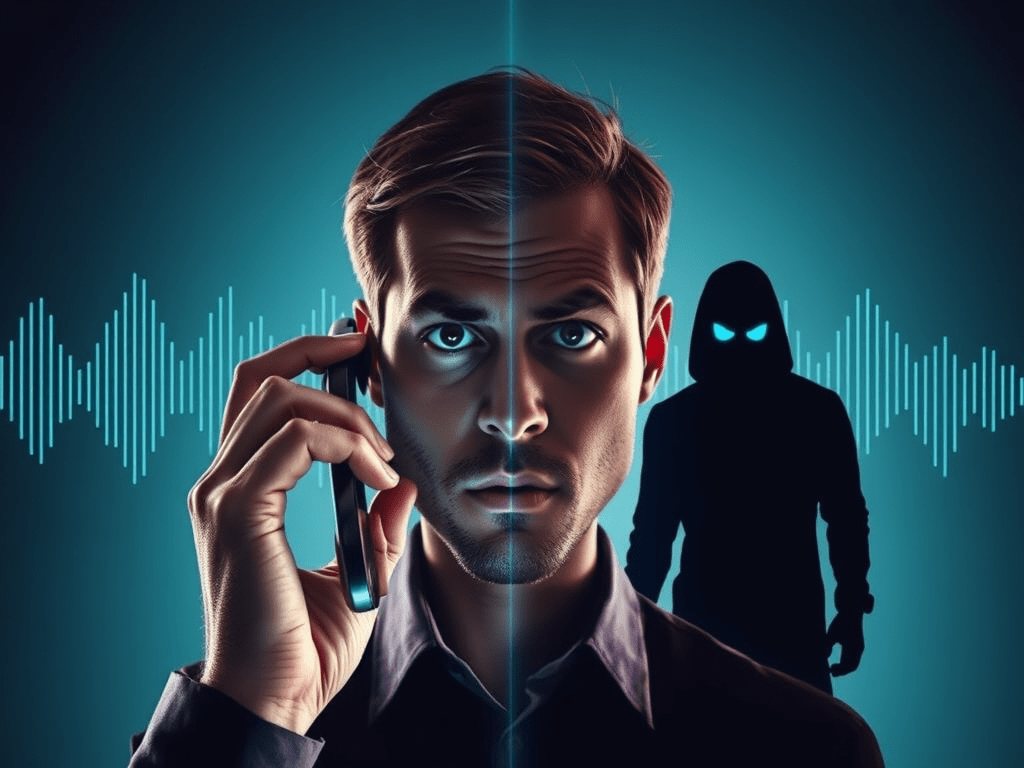
Scammers are using artificial intelligence to create fake identities, apply for remote jobs, and steal company secrets, according to new research. From AI-generated resumes and headshots to fabricated LinkedIn profiles, fraudsters are crafting the illusion of perfect candidates—only to infiltrate businesses and install malware or siphon sensitive data.
Cybersecurity firm Vidoc Security recently exposed one such scam when co-founder Dawid Moczadlo interviewed an applicant who appeared to be using an AI face filter. Suspicious, Moczadlo asked the candidate to place a hand in front of their face—a simple request that would disrupt a deepfake. When the person refused, the interview was cut short.
This wasn’t an isolated case. The Justice Department has uncovered networks of North Korean operatives using AI to pose as U.S.-based IT workers, funneling millions to their government’s military programs. Experts warn that by 2028, one in four job applicants could be fake, as AI makes large-scale deception easier than ever.
How to Detect a Fake Candidate
Vidoc’s team shared tips to help hiring managers spot AI-generated applicants:
- Check LinkedIn profiles closely—look at creation dates and verify past connections.
- Ask localized questions (e.g., “What’s your favorite café in [their hometown]?”).
- Insist on in-person meetings—face-to-face interviews remain the most reliable safeguard.
For companies, the cost of verifying candidates in person may be worth the security. As Moczadlo noted, “Sometimes it takes a hacker to find a hacker.”




 AI News Monitor
Leave a comment