
Local authorities are enhancing road safety management with artificial intelligence – and it’s working.
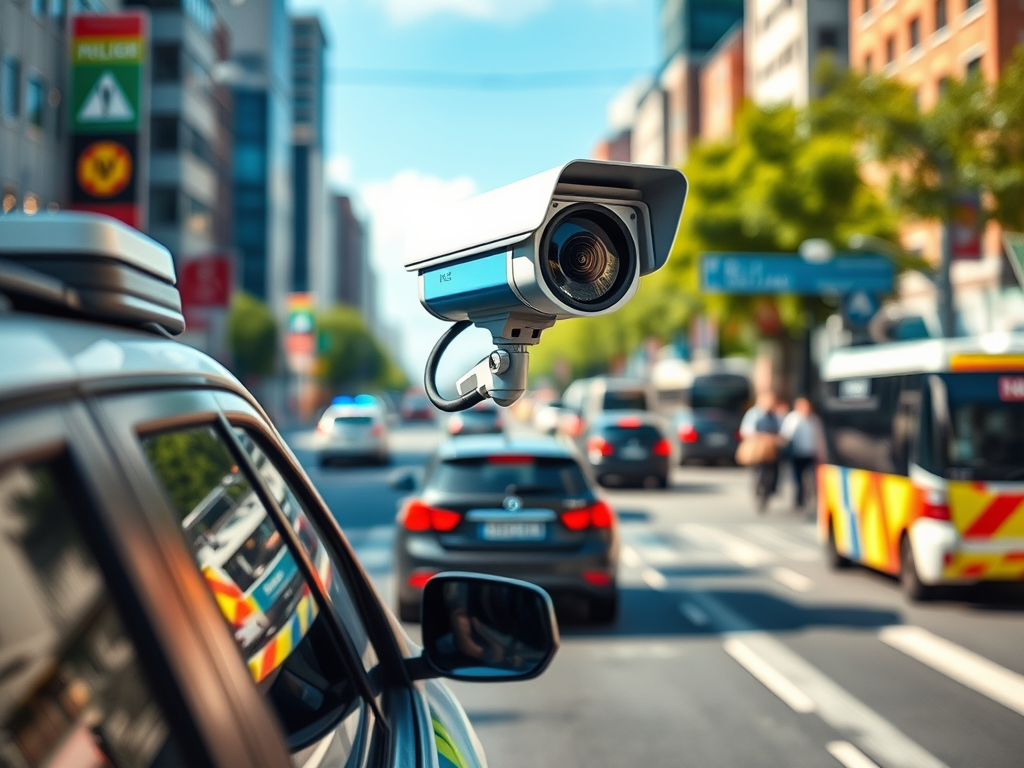
Local authorities in Devon, UK have approved spending £1 million on AI traffic cameras to improve road safety. The camera systems will track driving speed. However, they have more innovative capabilities such as “spying” inside the car to detect whether drivers are wearing seat-belts or are distracted by their mobile phones.
Welcome to the fast-growing world of artificial intelligence technology working to enhance policing duties and make roads safer. The road has been labeled by the BBC as “notorious” and the UK Department for Transport as “high risk”. It has caused up to three deaths and 30 serious injuries in a space of four years. The proposal to spend a million pounds on AI and task it with helping to save lives on such a road shows the rising level of responsibility assigned to this technology, and an expectation that it is here to do more.
While a relatively obscure case, Devon is only the latest example of a developing trend.
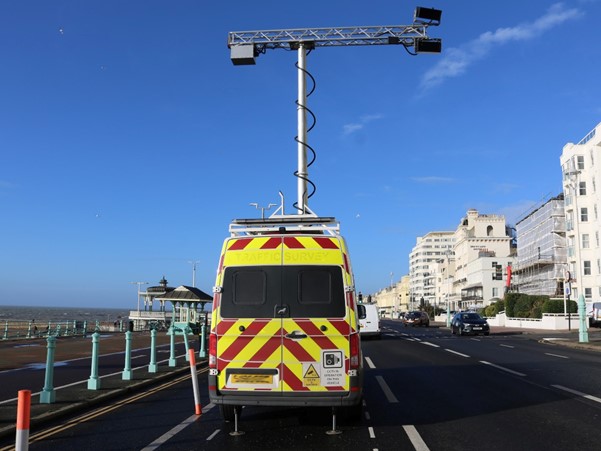
In September 2024, there were also AI cameras installed for road safety in Somerset, where there have been nine deaths in under two years due to road accidents, leading to calls to introduce the technology in the county. UK police had been adopting AI technology to improve policing duties in other regions for a while. The cameras are not always fixed. Sometimes they are mounted on vehicles.
But the UK is not the only country giving AI policing duties. In October, authorities in Verona, Italy began testing an AI sensor system to manage traffic in busy intersections.
The system uses millimeter wave radar technology and a TIMOS system to collect and process real-time traffic data without computers or any additional hardware. It can monitor speeding, wrong lane changes and illegal stops, as well as track pedestrians jaywalking.
San José, USA has also begun adopting AI traffic cameras and vision technologies to detect road obstructions and hazards. They are capable of monitoring improper actions from drivers such as illegal parking, and also detecting concerns such as potholes and large objects dumped onto the road.
It’s all part of a grand plan to introduce more artificial intelligence policing of roads and automatic detection and processing of common roadway issues that pose consequential risks for the public. If the testing is successful, there would be increased adoption of the technology, not just in San José but also in partnered city departments.
In China, authorities have deployed AI traffic monitoring systems and Internet-of-things (IoT) devices to identify illegal conduct from road users. They collect the data within a response time of just one second and send it to connected loudspeakers, which immediately send out warnings to violators.
The system has been deployed in areas with limited manpower for traffic police, and authorities have stated that the new technology has significantly reduced misbehavior and made roads safer. As a result, there are plans to expand the technology and cover additional locations. Devon in the UK will be spending an extra £4 million of a government grant on more physical solutions to improve road safety, but the global eye might be more interested in how successful the lesser £1 million-investment into AI traffic cameras turns out to be. It might just be a significant boost for AI expansion into traffic law enforcement.




 AI News Monitor
Leave a comment